Beyond YIGBY

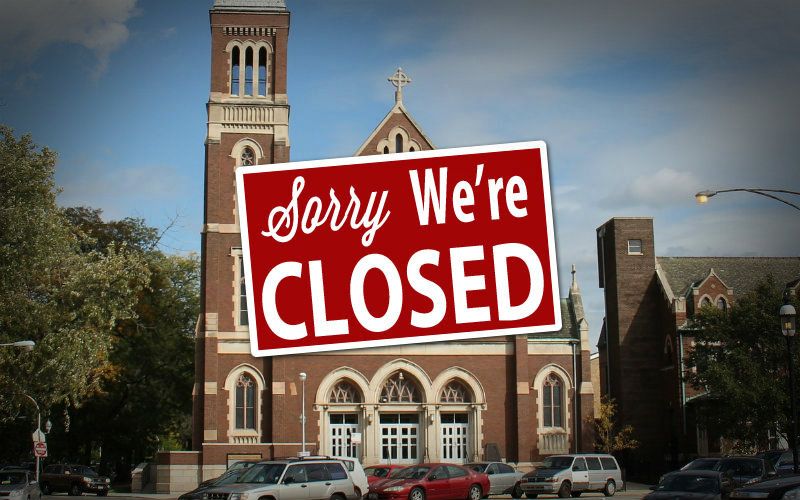
As we wrap up 2025, it’s clear that churches across America are facing tough decisions about their properties. Reports show that up to 15,000 churches could close their doors this year alone, a number that’s higher than in recent memory. That’s a staggering figure, especially when you consider that only a few thousand new ones are opening to replace them. For church leaders, this isn’t just about saying goodbye to a building. It’s about finding ways to honor the legacy of these spaces while addressing real community needs. At ChurchesForSale.com, we’ve helped countless congregations navigate these changes, from sales to leases, and we know the key starts with a solid property evaluation.
Google searches for “repurposing closed churches” and “church property redevelopment” have jumped by about 25 percent this year, signaling a shift in how people think about these assets. If your church is dealing with empty pews or unused land, you’re not alone. Our last article on the YIGBY movement showed how churches can turn surplus space into affordable housing. Now, let’s build on that and explore even more creative options for 2026. Whether you’re a pastor weighing options or a real estate professional scouting opportunities, these ideas can spark new life for fading properties. And remember, starting with a property valuation from Nate Bradley (nate@churchesforsale.com), CEO of ChurchesForSale.com, can give you the clarity you need to move forward.
The Housing Crisis and Church Closures: A Quick Look Back
Before we jump into fresh ideas, it’s worth recapping why this matters. The U.S. is short millions of housing units, and with church attendance dipping, many properties sit idle. In 2025, experts predicted a “tsunami” of closures, with mainline denominations like Methodists and Presbyterians hit hardest. These buildings often come with large lots in prime locations, perfect for redevelopment.
Our YIGBY article highlighted partnerships for affordable housing, like those in California and Florida. But not every church fits that mold. Maybe your property is in a rural area, or zoning laws make housing tricky. That’s where broader repurposing comes in. At ChurchesForSale.com, we see this as an extension of good stewardship. Turning a church into something useful doesn’t mean losing its spirit. It means evolving to meet today’s needs. If you’re unsure about your property’s potential, please contact Nate Bradley (nate@churchesforsale.com) to talk about a property evaluation and valuation. This will give your church a starting place, and a trusted voice to walk alongside your church. Nate Bradley has worked with many churches throughout the years. He has represented Arizona churches who are buying, selling and leasing. He has provided strategic planning for churches and worked with man churches as a Fractional CFO.
Pivoting from YIGBY: Why Broader Repurposing Makes Sense for 2026
YIGBY is a great start, but 2026 forecasts point to more diverse trends in church redevelopment. With searches for “innovative church repurposing examples” rising, congregations are looking beyond housing. Think about it: Churches have unique features like high ceilings, community halls, and central locations that lend themselves to all sorts of uses. Real estate pros are eyeing these for mixed-use projects, while pastors want to preserve mission ties.
The shift makes sense. Declining revenues mean many churches can’t maintain big buildings, but selling outright might not align with values. Repurposing allows you to lease parts, generate income, and keep control. Plus, with 2026 projections showing continued closures, now’s the time to plan. At ChurchesForSale.com, our evaluations often reveal hidden value in these spaces. We’ve seen churches turn vacant wings into revenue streams that fund ongoing ministries. Let’s explore some standout ideas.
Innovative Repurposing Idea 1: Community Centers and Hubs
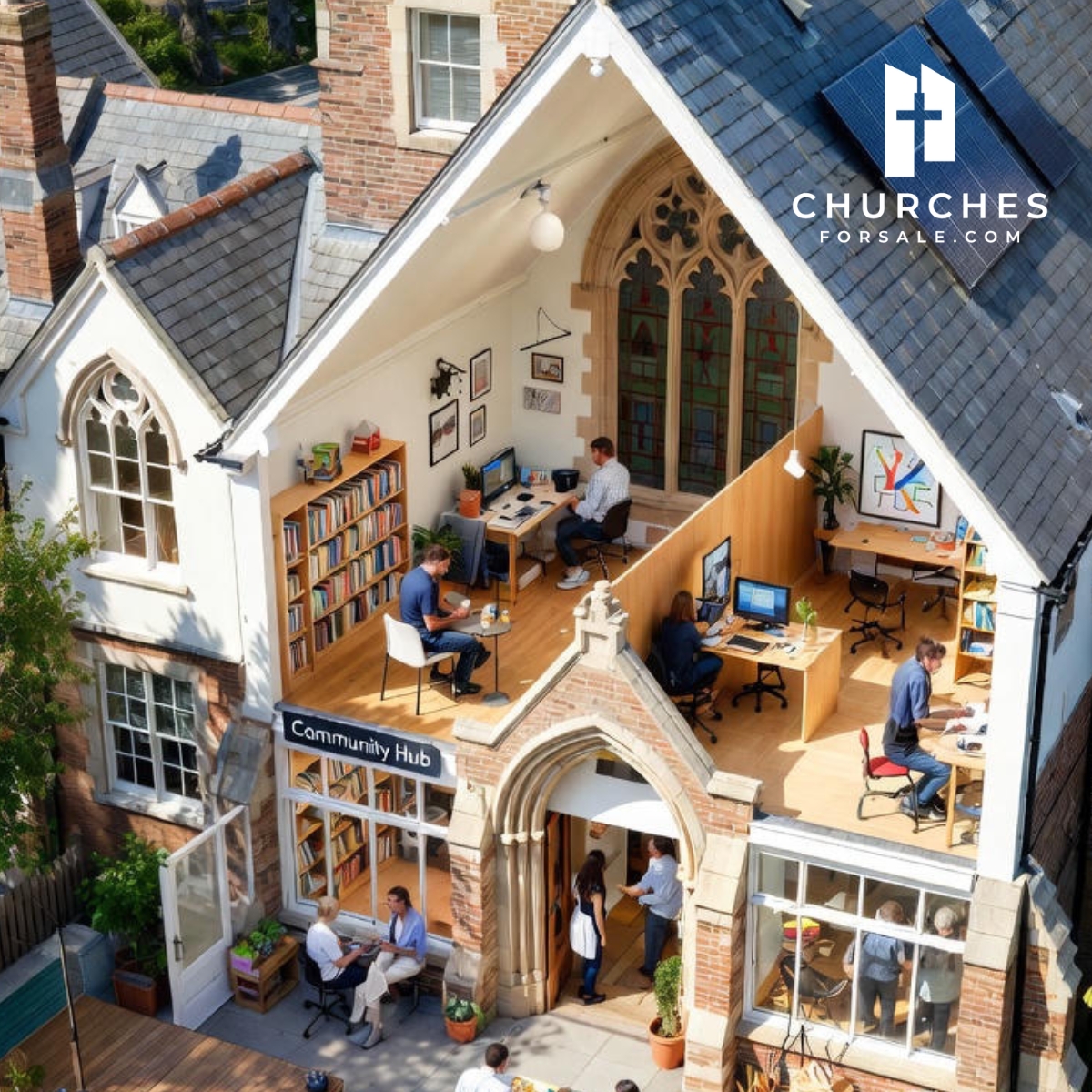
One of the most straightforward repurposes is turning a church into a community center. These spaces already have gathering areas, kitchens, and parking, making them ideal for local events, classes, or services.

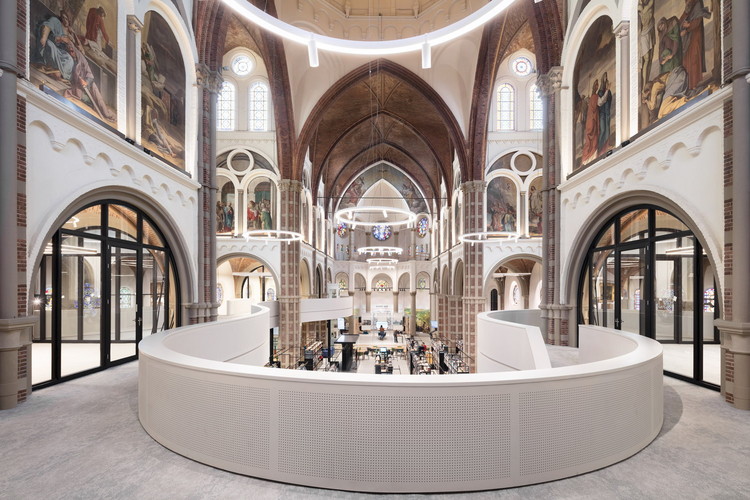
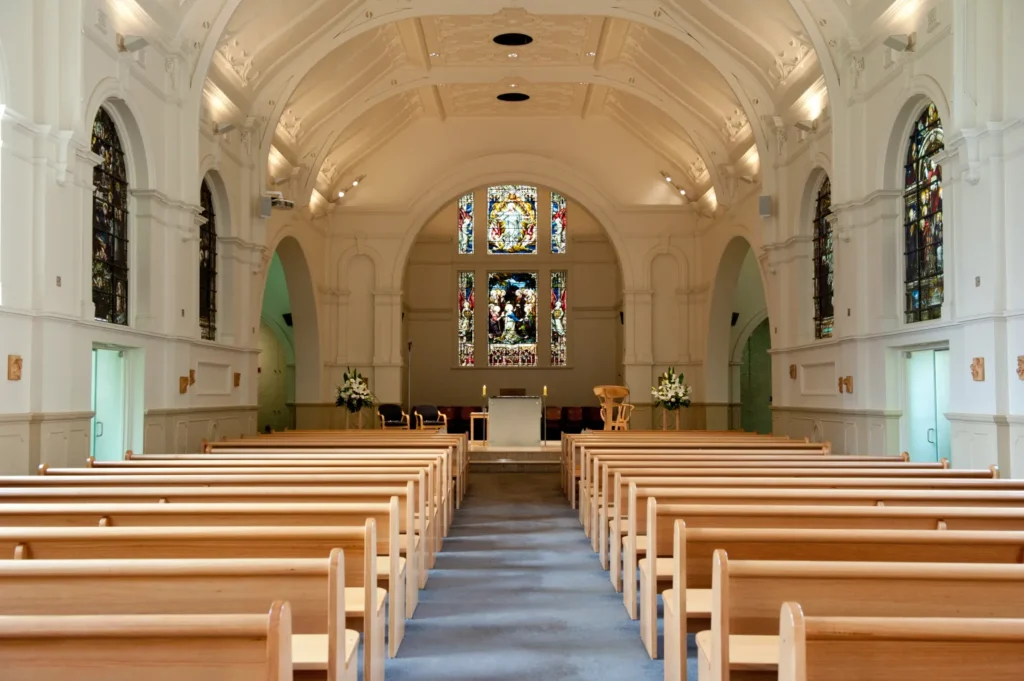
Take the example of churches in Appalachia, where closed buildings have become food hubs and polling stations. In 2025, similar projects popped up nationwide, providing essential support in underserved areas.
For finances, low conversion costs often fall under $100,000 for basic updates. One mid-sized church spent about $75,000 on renovations and now generates $40,000 annually from rentals for classes and events. This covers maintenance and funds outreach programs. Pros include strong community buy-in and alignment with faith-based service.
Cons involve zoning changes and management needs, often requiring nonprofit partners. Estimated ongoing revenue can reach $50,000 to $80,000 per year for active centers, based on real cases where rentals offset 60 percent of building costs.
Sub-Idea: Food Banks and Wellness Centers
Within community hubs, food distribution stands out. With food insecurity rising, churches like one in Iowa repurposed into medical offices. Add wellness programs, and you create a holistic center. This ties back to biblical calls for caring for the needy. Financially, these can break even quickly through grants and donations, plus small fees.
Innovative Repurposing Idea 2: Mixed-Use Developments
Mixed-use is a hot trend for 2026, blending residential, commercial, and community elements. Imagine apartments above a cafe in your old sanctuary, with space for worship still intact.
In urban areas, this is gaining traction. A 2025 project in Portland turned a church into an event space with housing.
Pros include high revenue potential, up to $200,000 annually from leases in successful projects. One example saw a church retain ownership via ground lease and earn $150,000 yearly after costs. It preserves architecture while modernizing. Cons are higher upfront costs, $200 to $400 per square foot, and complex permitting.
Real estate professionals love these for uniqueness. At ChurchesForSale.com, we connect you with developers who specialize in faith-based projects. Start with our valuation service to model your potential returns.
Sub-Idea: Retail and Office Mix
Add shops or offices. A closed church in Spain became a skatepark, but think cozier: bookstores or co-ops. This works well in suburban spots and can yield steady lease income of $100,000 plus annually (depending on location and square footage available).
Innovative Repurposing Idea 3: Co-Working and Creative Spaces
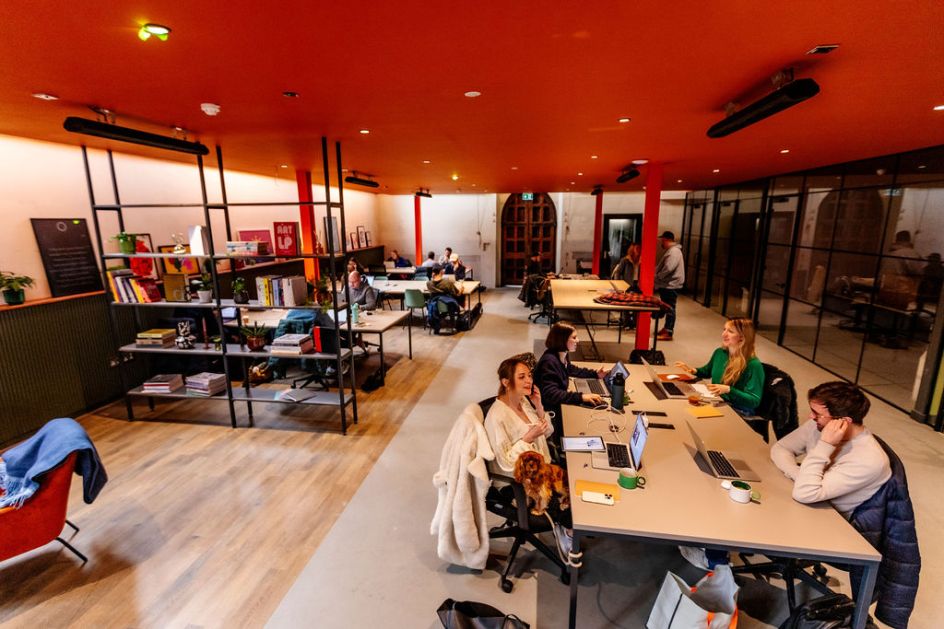
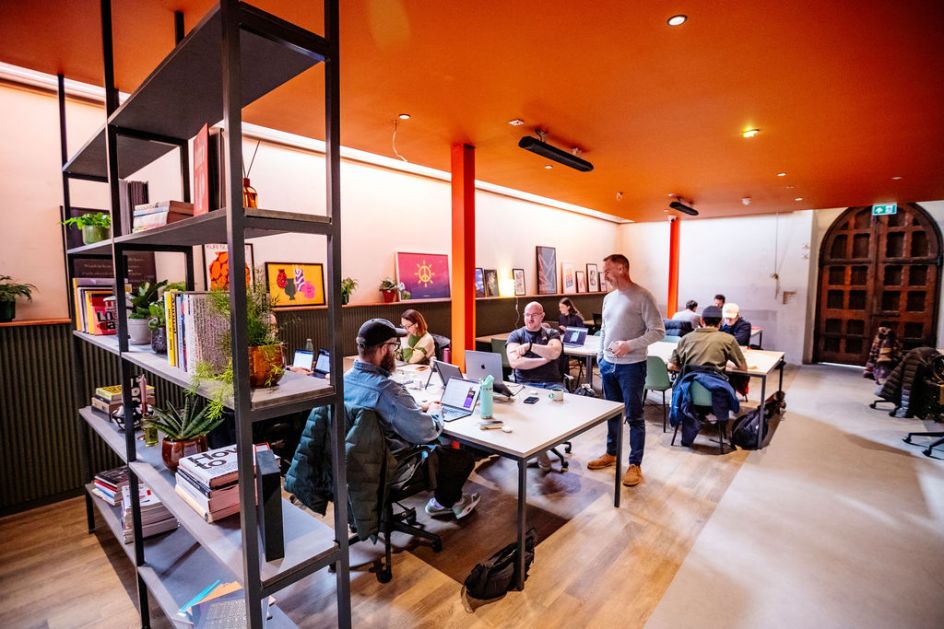
With remote work here to stay, co-working in churches is clever. Vaulted ceilings create inspiring environments for freelancers or startups.
Examples from 2025 include a Canadian church turned library and arts space. Pros: Steady rental income, low barriers to entry. Costs? $100,000 for Wi-Fi and partitions. Cons: Noise concerns if ministry continues.
This appeals to younger demographics, helping churches attract new members. Our evaluations often highlight how such spaces boost property value.
Innovative Repurposing Idea 4: Event Venues and Wedding Halls
Churches have natural appeal for events: Stained glass, acoustics, history. Repurpose into venues for weddings, concerts, or conferences.
A New York church became a popular spot for gatherings in 2025.
Pros: High-margin bookings, often $5,000 to $10,000 per wedding. One converted church hosts 40 events yearly, netting $180,000 after expenses. Minimal changes needed, with renovation costs around $75,000 to start. Cons: Seasonal demand and potential wear. Tie this to your mission by hosting faith events too. Many see full ROI in two to three years.
Innovative Repurposing Idea 5: Senior Living and Care Facilities
Aging populations need housing. Convert churches into senior centers or assisted living.
In rural areas, this fills gaps. A 2025 Iowa example turned a church into residences. Pros: Mission alignment with elder care. Revenue from units. Costs: $150 to $300 per square foot. Cons: Regulatory hurdles.
Innovative Repurposing Idea 6: Arts and Cultural Centers
Turn sanctuaries into galleries or theaters. High ceilings suit performances.
Spain’s skatepark church is fun, but consider music venues. Pros: Cultural draw, grants available. Costs: $120,000 for lighting. Cons: Funding competition.
This revitalizes neighborhoods.
Innovative Repurposing Idea 7: Sustainable Energy Hubs
Install solar panels or community gardens. 2025 saw churches go green. Pros: Low ongoing costs, tax incentives. Cons: Upfront investment.
Aligns with stewardship.
A Practical Guide to Getting Started
Ready to repurpose? Here’s a step-by-step approach to turn ideas into action. We’ve drawn from real experiences of churches we’ve assisted at ChurchesForSale.com, where starting with a clear plan makes all the difference.
Step 1: Assess Your Property
The foundation of any repurposing project is understanding what you have. Begin by conducting a thorough property valuation to get an accurate picture of its current worth and potential uses. This isn’t just about numbers; it’s about uncovering hidden opportunities, like extra land that could support a garden or parking that could become a co-working lot.
At ChurchesForSale.com, we recommend using our Church Property Valuation Process, available for download. It walks you through key factors like market comparables, structural condition, and location advantages. Many church leaders we’ve worked with find that this step reveals options they hadn’t considered, such as zoning allowances for mixed-use.
Once valued, move to a detailed inventory. Walk the property and map out every space: the sanctuary, fellowship hall, offices, and outdoor areas. Note features like high ceilings or natural light that could appeal to specific repurposes. Then, check local zoning laws and regulations. Contact your city planning office or a real estate expert to see what’s permitted. This early homework can save time and money later.
Inventory and Feasibility
Creating an inventory isn’t complicated, but it requires attention to detail. List square footage, utilities, and any restrictions like historic designations. For feasibility, consider environmental assessments if needed, especially for older buildings. If you walk through our process we will guide you step by step.
Step 2: Engage Stakeholders
No repurposing happens in isolation. Early involvement of key people builds support and uncovers insights. Start with your congregation: Hold town hall meetings or surveys to gather input. Explain how the change aligns with your church’s mission, perhaps by sharing stories of other successful projects.
Next, reach out to local officials, neighbors, and community groups. Their feedback can highlight needs, like a shortage of event spaces, and help navigate approvals. Pastors often tell us that transparent communication turns potential opponents into allies. If you’re unsure how to structure these discussions, our resources at ChurchesForSale.com include templates for stakeholder meetings.
Don’t forget internal leaders, like your board or finance committee. Their buy-in is crucial for decisions on leases or sales. This step might take a few weeks, but it’s worth it to avoid surprises down the line.
Step 3: Find Partners
The right partners can make repurposing feasible and successful. Look for developers, nonprofits, or businesses that share your values. For instance, if aiming for a community center, connect with local charities experienced in similar ventures.
Networking is key: Attend real estate events, join online forums for church leaders, or use platforms like LinkedIn to find matches. At ChurchesForSale.com, we offer consultations to connect you with vetted professionals in faith-based real estate. We’ve facilitated partnerships that led to thriving mixed-use spaces.
When evaluating partners, check references and discuss terms like ground leases to retain control. A good agreement protects your mission while sharing risks and rewards. This step often involves legal advice, so budget for that early.
Step 4: Plan Finances
Money matters can feel overwhelming, but breaking it down helps. First, create a budget for renovations, operations, and contingencies. Use your property valuation to estimate income from leases or events.
Explore funding: Grants from foundations focused on community development, low-interest loans, or tax credits for historic preservations. In 2026, look for emerging incentives tied to sustainable projects. ChurchesForSale.com’s financial planning resources can guide you through projections.
Factor in ongoing costs like maintenance and insurance. Aim for a plan where repurposing generates enough revenue to sustain itself. Many churches start small, piloting one idea before scaling.
Remember that Nate Bradley (CEO of Churches For Sale) also operates as a fractional CFO on project and short term basis for churches and ministries looking to navigate financial complexities that surround something like this. Email Nate and schedule a discovery call (nate@churchesforsale.com).
Step 5: Execute and Monitor
With plans in place, it’s time to launch. Secure permits, hire contractors, and oversee construction. Set milestones, like completing zoning changes by month three.
Once operational, monitor progress: Track revenue, usage, and community feedback. Adjust as needed, perhaps by adding features based on user input. Regular reviews ensure the repurposing stays aligned with your goals.
At ChurchesForSale.com, we support this phase with ongoing advice. Remember, success comes from flexibility and persistence.